
How Metal Roofing Is Installed in Chicagoland
What actually happens under the panels — from tear-off to ridge cap — across the North Shore, the south and western suburbs, and the city of Chicago.
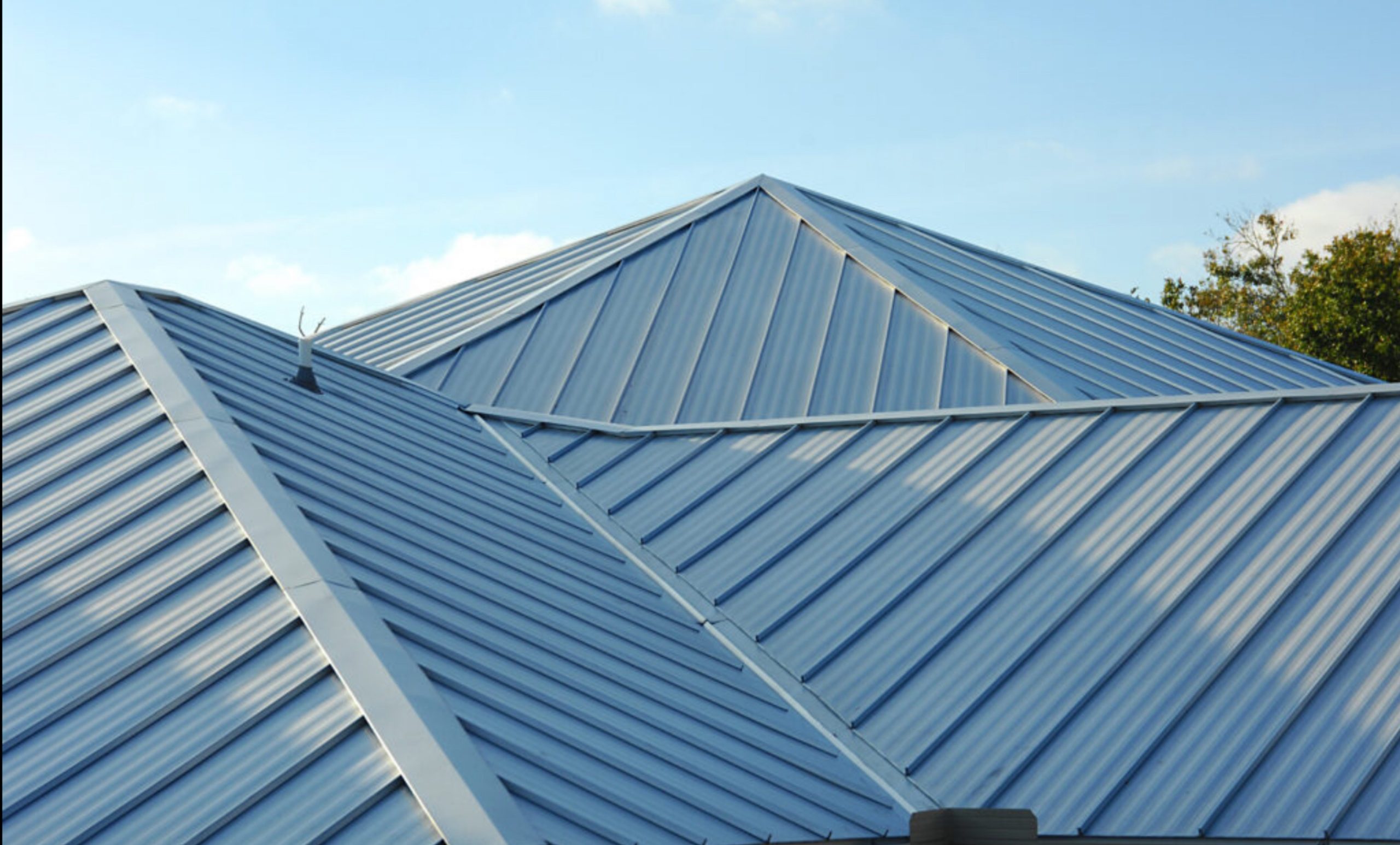
Chicagoland homeowners searching for how metal roofing actually gets installed usually aren’t planning a DIY project. They want to know what a real contractor does on the roof so they can tell a crew that’s doing it right from one that’s cutting corners. This is that guide — how Castello Roofing installs metal roofing across the North Shore, the south and western suburbs, and the city of Chicago, built around our specific mix of lake-effect weather, wide temperature swings, and municipal code requirements.
Every Step, In Order
Full Tear-Off
Old shingles trap moisture against the deck. Every job starts with a clean, inspected deck — no exceptions.
Metal-Rated Underlayment
Synthetic underlayment rated for metal, plus ice & water shield at every eave, valley, and penetration.
Standing Seam Panels
Concealed clip fasteners spaced to handle real seasonal thermal movement, not just installed to look right.
Stone-Coated & Corrugated
Correct course offset and overlap depth on every panel profile, checked course by course.
Custom Flashing
Fabricated on site and photographed before panels go on, so there’s a record of what’s underneath.
Ridge & Ventilation
Baffled ridge venting sized to the attic’s net free area, so warranties stay intact through winter.
Full Tear-Off Before Anything Else
One of the most common questions we hear is whether metal panels can go directly over existing asphalt shingles. Technically it’s sometimes possible. Practically, it’s a bad idea almost everywhere in Chicagoland. Old shingles trap moisture between the new panel and the deck, and our freeze-thaw cycle — heavy in the colder months from the North Shore down through the south suburbs — expands that trapped moisture over and over, putting stress on the panel attachment from below every single winter.
Castello Roofing performs a full tear-off on every metal roof installation, whether it’s a bungalow in Chicago’s city limits or a larger home out west in Naperville or Wheaton. Once the old roofing is off, we inspect and photograph every section of the deck before ordering materials or starting installation.
Good to know: on older housing stock in city neighborhoods and inner-ring suburbs, partial decking replacement is common — not the exception. Any repair scope is priced separately and approved by you before we proceed.
Underlayment Built for Metal, Not Shingles
Standard felt paper and the lightweight synthetic underlayment made for asphalt shingles are the wrong products under a metal roof. Metal panels sitting in direct summer sun get hot enough to degrade underlayment that wasn’t rated for that kind of heat. In winter, condensation forms on the underside of cold metal panels wherever warm attic air reaches them. The underlayment has to hold up to both extremes, all year, every year.
We install synthetic underlayment rated specifically for metal roofing on every job, from the North Shore to the far southern and western suburbs. Ice and water shield goes down at every eave and extends well into the interior wall line, and it runs through every valley and around every penetration. This isn’t an upsell — it’s standard on every Castello installation, because Chicagoland winters bring real snow load and ice-damming risk off Lake Michigan, and a roofline with thin eave coverage is where water finds its way in.
Standing Seam and Thermal Movement
Standing seam panels run in continuous lengths from eave to ridge, with every fastener concealed inside the raised seam between panels. Nothing punches through the visible roof surface, which is what eliminates the classic exposed-fastener failure — the rubber washers that dry out and crack after a decade or two of Chicago winters.
What a lot of homeowners don’t realize is that standing seam panels are engineered to move on their clips as the temperature changes. Chicagoland’s swing from well below freezing in January to well into the 90s in July means a standing seam panel physically changes length between seasons. Our crews install panels using clip spacing and seam engagement depth built to accommodate that movement.
Stone-Coated and Corrugated Panels
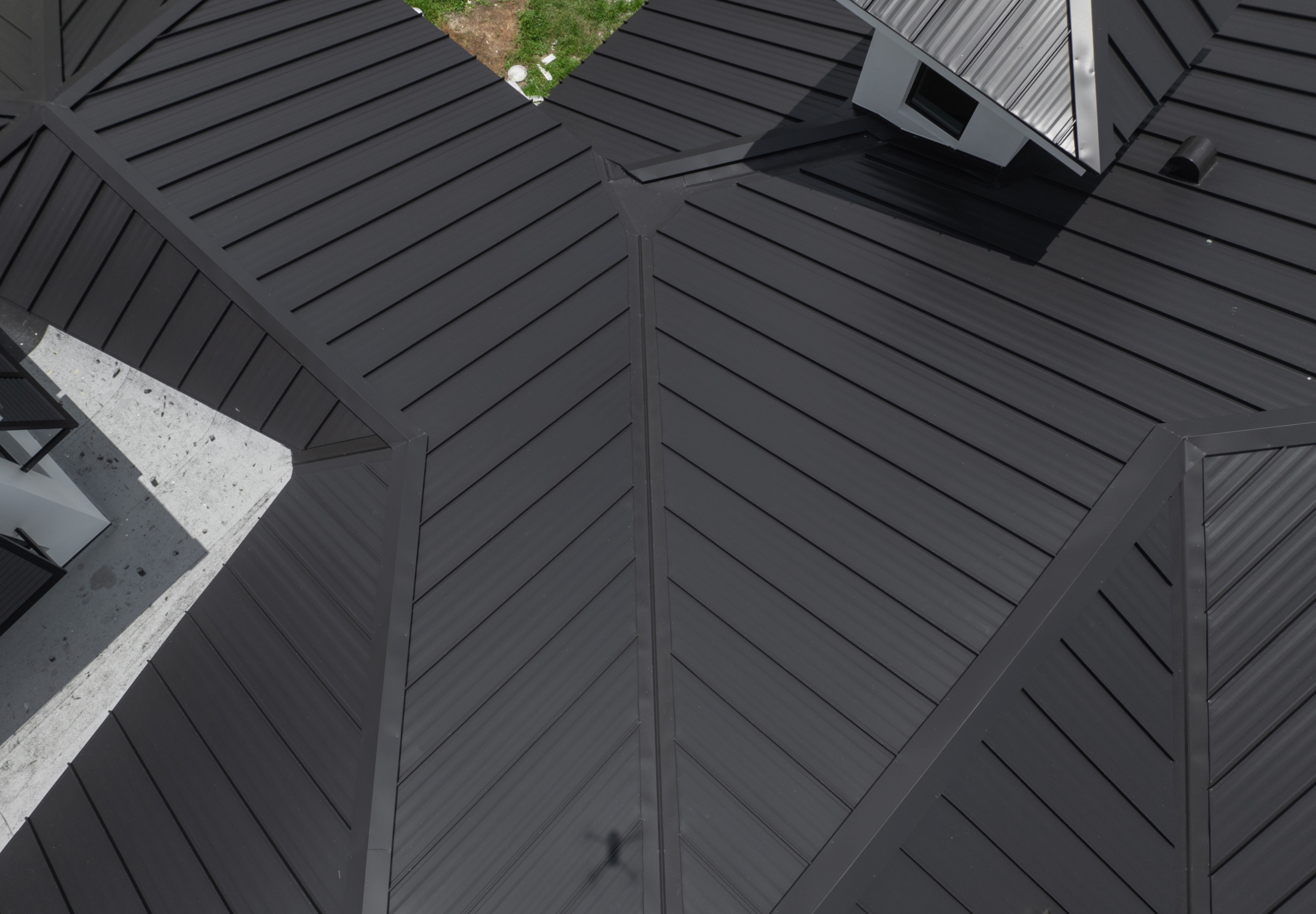
Stone-coated metal panels are installed in overlapping courses from eave to ridge, similar in sequence to asphalt shingles but different in execution. The granule coating that gives these panels a dimensional, shingle-like look is bonded to the steel underneath, so it doesn’t peel, fade, or blow off the way asphalt granules can in a strong Chicago wind event.
For corrugated and other exposed-panel profiles, panel alignment, overlap, and fastener torque all matter more than they look like they should — over-driven or under-driven fasteners are one of the most common causes of leaks we find when we’re called out to fix someone else’s installation.
Flashing That Actually Holds Up in Chicago Weather
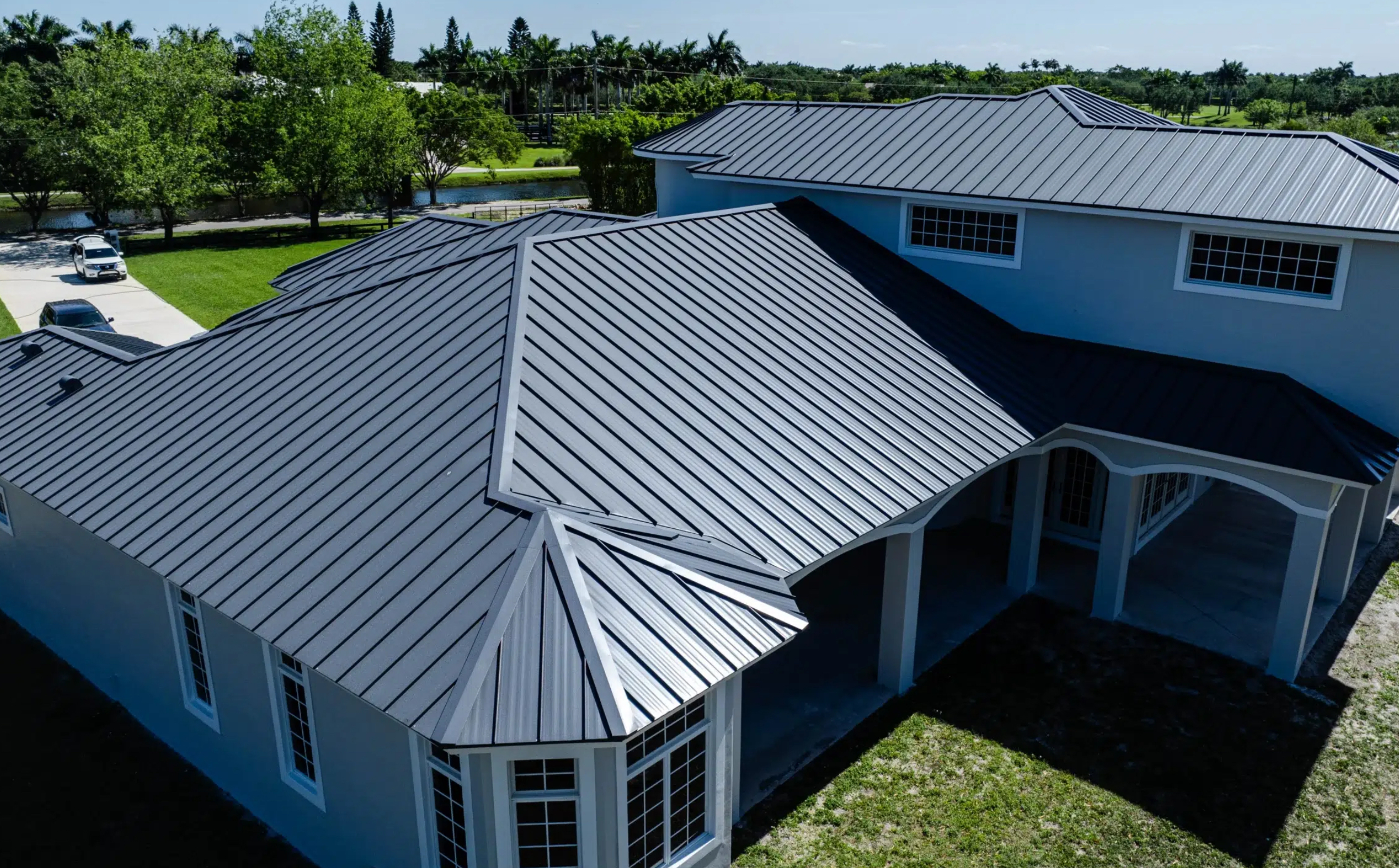
Flashing on a metal roof isn’t the same product used on an asphalt shingle roof. A chimney on a standing seam roof needs step flashing that integrates with the concealed clip system rather than weaving between shingle courses the way it would on an asphalt roof. A valley on a stone-coated system needs a valley pan that matches the granule profile of the surrounding panels. Pipe boots need flexible collars designed for metal panel profiles that can expand and contract with the panel instead of tearing at the collar edge as temperatures cycle.
We fabricate custom flashing on site for every metal roofing job, and we photograph every flashing detail before the panels go over it, so homeowners have a permanent record of what’s underneath the finished roof. That record is exactly what matters if a warranty question comes up five or ten years down the road.
Ridge Cap and Ventilation
The ridge takes more thermal stress than anywhere else on a metal roof, because the panels are longest there and expand the most. Ridge cap on a standing seam system uses the same concealed fastener approach as the field panels. Ridge cap on stone-coated systems uses purpose-made hip and ridge pieces that match the granule surface of the field panels.
Ridge venting on a metal roof needs a baffled design that keeps wind-driven rain and snow out during the kind of gusty storms that regularly roll through Chicagoland off the lake. The vent opening also needs to be sized correctly for the attic’s net free ventilation area, or the manufacturer’s shingle and panel warranties can be voided before the roof sees its first winter.
Castello Roofing evaluates the existing attic ventilation before installation begins and confirms the ridge vent meets local code and manufacturer specifications on every job — whether that’s a Chicago two-flat, a North Shore colonial, or a ranch home out in the western suburbs.
Permits and Inspections Across Chicagoland
Requirements vary by municipality across our service area. The city of Chicago requires a permit through the Department of Buildings for roofing replacement, and many North Shore, south suburban, and western suburban municipalities have their own permitting and inspection processes with their own specific rules. The inspection tied to that permit typically confirms ice and water shield coverage, underlayment installation, attic ventilation, and flashing at penetrations — the parts of the job that disappear under the panels and can’t be checked again once it’s covered up.
Castello Roofing handles the permit application for every metal roofing job we do, in whichever municipality the home sits in, and we build the fee into the written estimate up front. A contractor who suggests skipping the permit on a roofing job is telling you they don’t want an inspector looking at what’s under the panels.
What to Ask Any Metal Roofing Contractor
Plenty of contractors around Chicagoland will sell you metal roofing without much specialized training behind it. They buy similar panels and assume the installation process is close enough to asphalt shingles. It isn’t, and the warranty difference can be significant.
What manufacturer training or certification do your installers have on this panel system?
A vague answer, or a name you can’t verify, is a red flag.
What underlayment do you use under metal, specifically?
The right answer names a product rated for metal roofing — not standard felt or asphalt-rated synthetic.
How do you handle thermal expansion at the ridge and along seams?
A contractor who can’t explain this in specific terms hasn’t installed enough metal roofing in this climate to understand what our temperature swings do to a panel system over time.
Do you pull permits, and in which municipality will this job be inspected?
Castello Roofing answers every one of these with documentation before any contract is signed, whether the job is in the city, the North Shore, or the south or west suburbs.
Metal Roofing Across Chicagoland
Everything Homeowners Ask
When people are actively vetting a roofing company, their questions almost always fall into three buckets: trust and vetting, cost and insurance, and project logistics. Below are the questions we hear most — starting with metal roofing specifics, then the broader questions worth asking any contractor.
Can metal roofing be installed over existing shingles in Chicagoland?
How long does metal roof installation take?
How much does metal roof installation cost in Chicagoland?
Does metal roofing need a permit in Chicagoland?
Why does underlayment matter so much on a Chicago metal roof?
How does metal roofing hold up under heavy snow and ice off Lake Michigan?
Is a metal roof noisy when it rains or hails?
Which metal panel type is the best fit for a Chicagoland home?
What kind of warranty comes with a Castello metal roof?
What maintenance does a metal roof actually need?
Can metal roofing be installed on a home in a historic district or under HOA rules?
Are you fully licensed and insured?
What is your physical office address?
How long have you been in business in this local area?
Can you provide local references or examples of recent projects?
What do your online reviews look like?
Are you certified by any major roofing manufacturers?
Do you use your own crew or hire subcontractors?
Can you provide a detailed, written estimate?
How much does a roof replacement or repair typically cost?
Do you offer financing options?
Will you help me manage my home insurance claim?
What is your payment schedule?
What kind of workmanship warranty do you offer?
What does the manufacturer’s material warranty cover, and for how long?
How long will the roofing project take?
How will you protect my landscaping, driveway, and gutters during the project?
What is your cleanup process?
Will you be pulling the necessary building permits?
Who will be my on-site project manager or main point of contact?
What happens if it rains unexpectedly while my roof is open?
Ready for a Metal Roof Built for Chicago Winters?
Get a free written estimate — we’ll evaluate your roofline, ventilation, and local code requirements before you sign anything.