
What a Chicago Winter Actually Does to Your Roof
By the time you see a leak on your ceiling, the damage to your roof started weeks earlier. Chicago winters are hard on roofing in ways that don’t show up until the thaw, and early November is the last good window to find out what shape yours is in.
The swing is the problem
Illinois summers push past 95 degrees. Winters can drop to 15 below zero, sometimes within the same year. A roof has to expand and contract through that entire range, and every cycle works at the seams, fasteners and flashing a little more. The cold alone rarely does it. The repeated swing does.
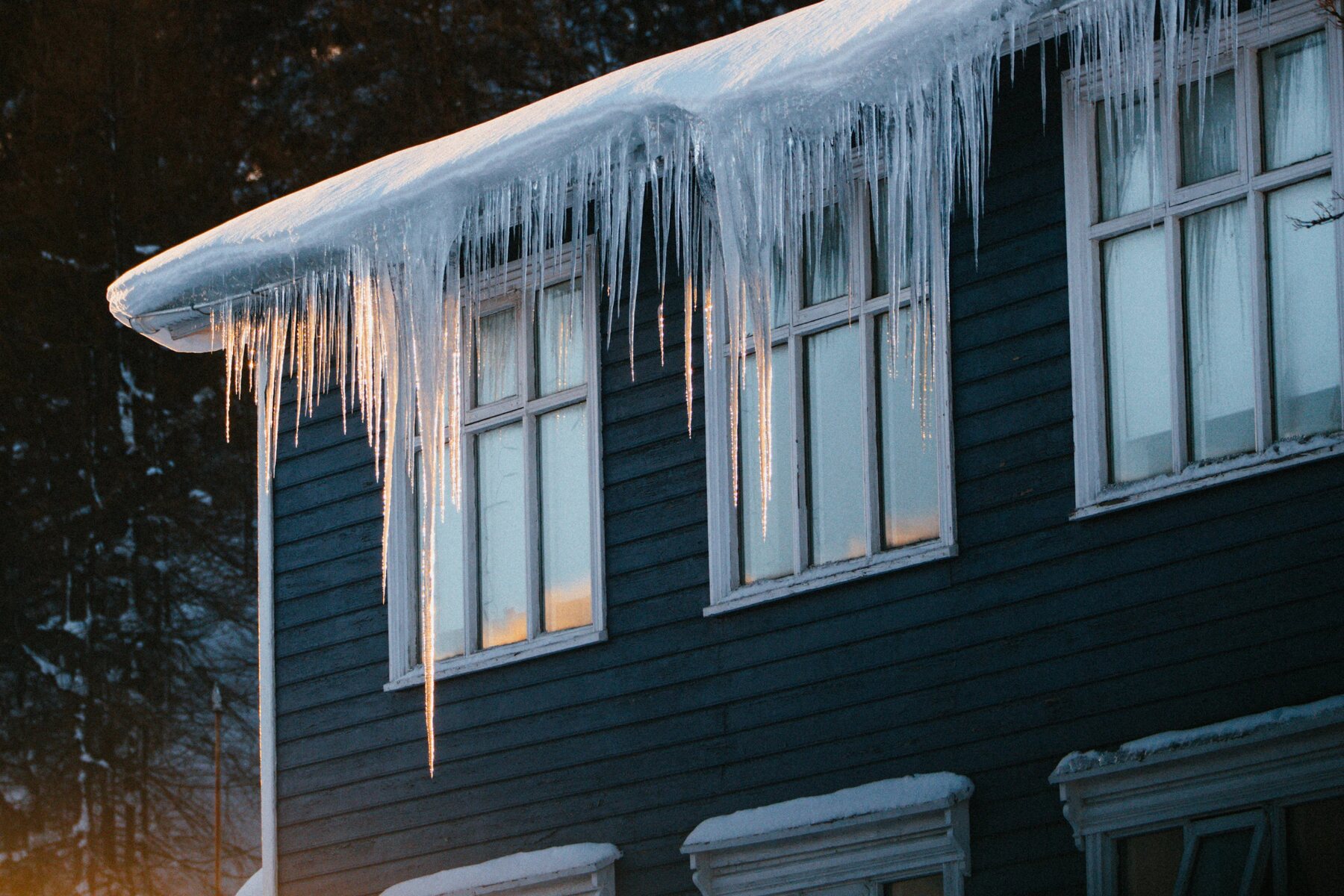
Then there’s freeze-thaw. Water gets into a small gap during a daytime thaw, freezes overnight, and pries the gap wider. Do that a few dozen times between December and March and a hairline problem becomes a real one. Heavy snow load and high wind on top of that find whatever was already weak.
Why asphalt shingles struggle here
An asphalt shingle starts breaking down basically the day it goes on. Summer heat bakes the granules loose, winter makes the material brittle, and by the time a roof is ten or fifteen years old a hard freeze can crack what a warm day left tired. Wood shingles have their own version of the same story: they dry out and crack over time.
Neither one is a bad product for the right house. They’re just working against Illinois weather every single year.
What holds up better
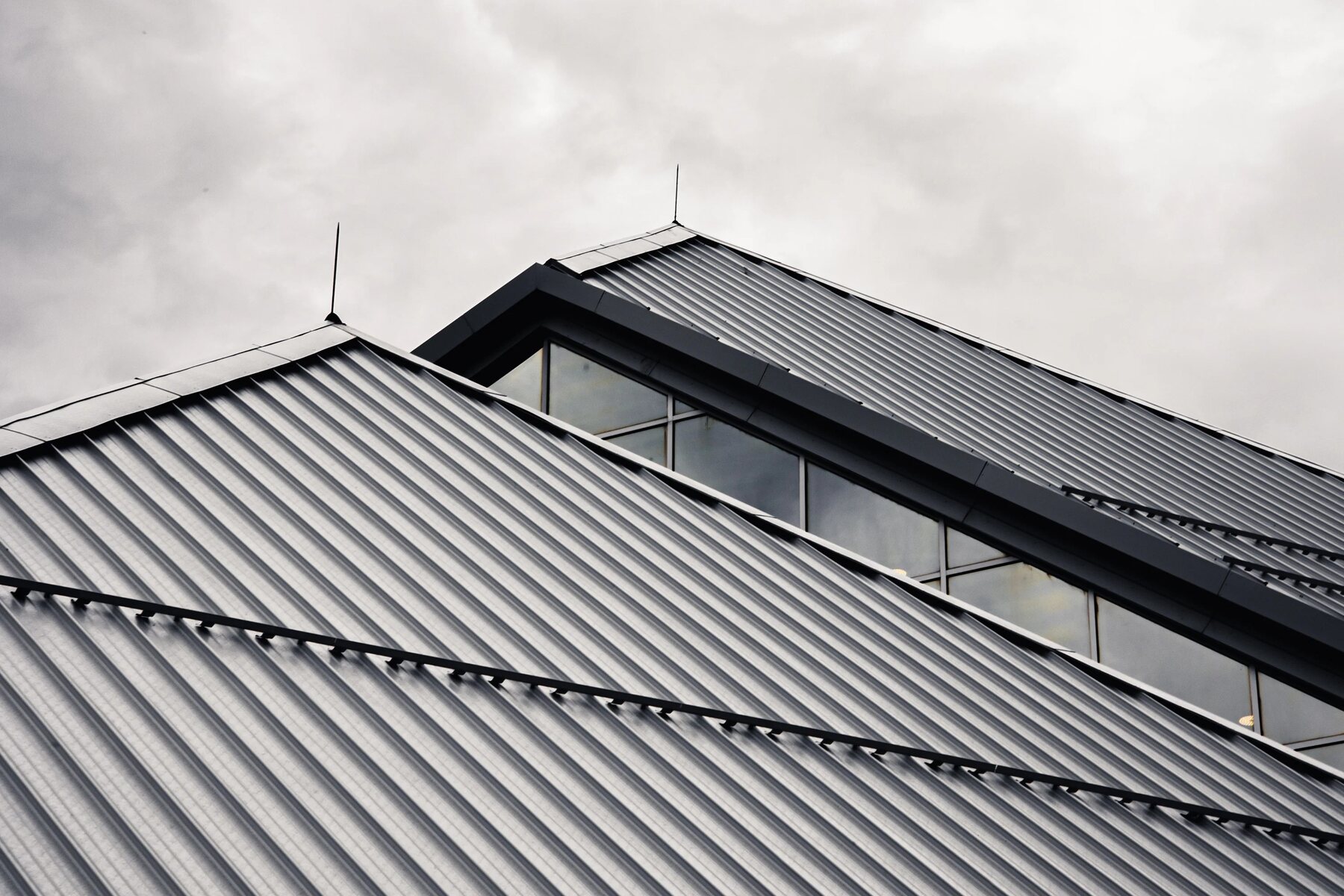
Metal handles the temperature swing better than most alternatives, because the system is engineered for expansion and contraction instead of just tolerating it. Interlocking panels and a heavy-duty fastening system stand up to wind, hail and snow load, and a PVDF finish resists corrosion, moisture and fading. A good metal roof outlasts traditional asphalt shingles by roughly two to three times. The cool roof rating also reflects heat instead of absorbing it, which takes some load off your air conditioning in July.
Tile is the other option we install, and it’s a good one. Concrete and clay tile can last 50 years or more with little attention, and the way it’s laid leaves an air gap that helps keep the house cooler in summer. The honest trade-off is that concrete tile can be vulnerable to Chicago’s freeze-thaw cycles over time in a way metal isn’t, so it’s worth talking through which one fits your house.
The systems we install are independently tested for wind uplift, water penetration, structural load and freeze-thaw cycling, not just backed by a manufacturer’s brochure. That’s the difference between a roof that looks good on paper and one that’s still doing its job twenty years from now.
What to do before the first real snow
Walk the outside of your house and look for shingles that are curling, cracked or missing. Check the flashing around chimneys, vents and skylights. Look at your gutters, because clogged ones are where a lot of winter water problems begin. Then look at your attic ceiling for stains or damp insulation, which tell you something got in earlier in the year.
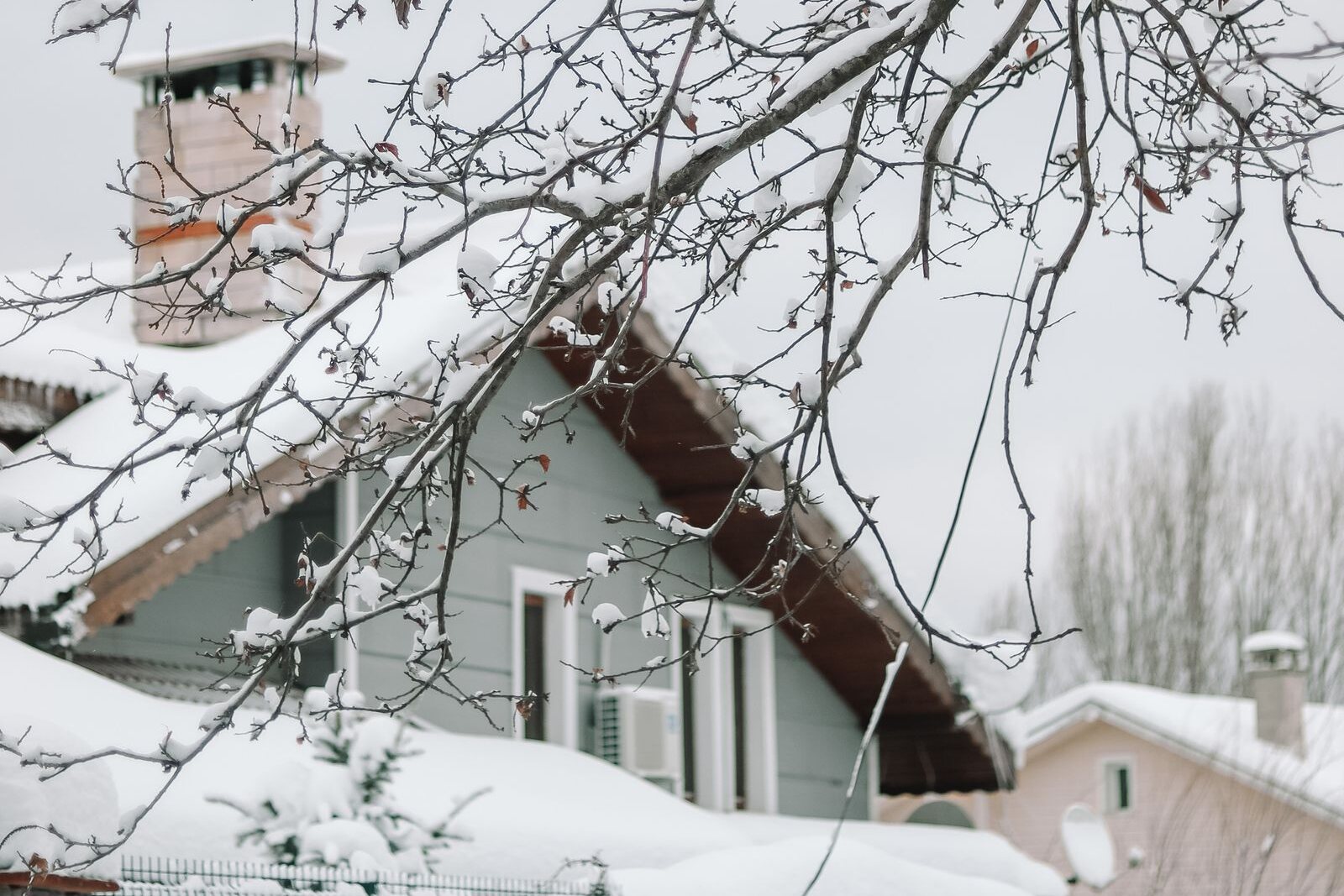
If anything looks off, it’s an easy problem to solve now and a much more expensive one in February.
How we do it
A lot of contractors want a chunk of money before they’ve done anything. We don’t work that way. We take no deposit, and payment happens once the crew has shown up and done the work. Our labor warranty is for life, matched to whatever system goes on your house, and every job includes 10 years of maintenance at no extra fee, so someone is checking the roof before a Chicago winter finds the weak spot for you. We also offer $0 down financing options, and the consultation is free.
That’s what’s kept us in business for 25 years.